What Is a
Popcorn Ceiling?
Definition, origins & hidden stories — From acoustic innovation to asbestos concerns. Uncover why bumpy ceilings dominated American homes and where you'll still spot them today.
✓ Trusted by 10k+ homeowners & renovators
📖 Popcorn Ceiling Definition
A popcorn ceiling (also known as acoustic ceiling, stipple ceiling, or cottage-cheese ceiling) is a textured spray-on or paint-on coating applied to residential ceilings, popular from the 1950s through the 1980s. The distinctive bumpy surface resembles popcorn kernels — created by mixing polystyrene, Styrofoam, or vermiculite with paint and adhesive.
The rough texture was originally praised for its ability to hide imperfections, reduce noise reverberation, and provide a cost-effective finish for builders. However, modern homeowners often seek removal due to aesthetic preferences and potential asbestos risks in older applications.
Why Was the Popcorn Ceiling So Popular?
1. Acoustic benefits: The uneven surface diffused sound and reduced echoes, making rooms feel quieter — ideal for mid-century open layouts.
2. Affordable & fast application: Builders could spray the mixture over imperfect drywall joints, saving time and labor costs compared to smooth finishes.
3. Light diffusion: The texture softened ceiling lighting, reducing glare. It also masked cracks, water stains, and construction flaws.
4. Mass suburban expansion: During the post-WWII housing boom (1940s–60s), popcorn ceilings became a signature of affordable tract homes, apartments, and basements. Between 1955–1985, over 70% of new US homes featured some textured ceiling.
Learn about modern removal →
⚠️ Asbestos & Health Context
Before the late 1970s, some popcorn ceiling mixtures contained asbestos fibers for fire resistance and durability. Homes built before 1980 should be tested before any renovation or disturbance. Disturbing asbestos can release harmful fibers. Professional abatement is strongly recommended.
📍 Where You’ll Find Popcorn Ceilings
Due to their widespread usage, popcorn ceilings appear in almost every room of older homes — but these spaces are the most notorious hotspots.
🛌 Bedrooms
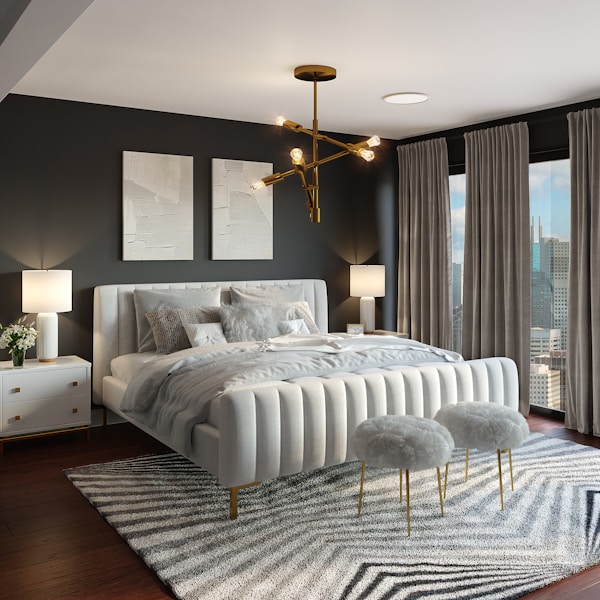
Popcorn ceilings were favored in bedrooms for their sound-dampening qualities, reducing noise between floors. Many original mid-century master bedrooms still preserve this bumpy relic.
🧱 Basements
Unfinished or finished basements commonly feature popcorn ceilings due to moisture resistance (when mixed with acrylics) and the ability to conceal plumbing/electrical work above.

🚪 Hallways & Corridors
High-traffic hallways gained acoustic control and easy maintenance — the popcorn texture disguises small dings from moving furniture or accidental impacts. A common sight in apartments built before 1990.
Should You Remove It?
While popcorn ceilings were once a symbol of practicality, today they’re often considered dated. Smooth, flat ceilings are the modern standard. Removing the texture increases home value, improves lighting ambiance, and creates a fresh, airy feel.
Cost to remove: $1–3 per sq.ft for professional scraping and retexturing (depending on asbestos testing). Many DIY options exist for post-1980 coatings, but caution is vital.
Download free removal checklist →
Thinking of a Ceiling Makeover?
Get expert insights, safe removal guides, and design inspiration — all free.